
Livestreams
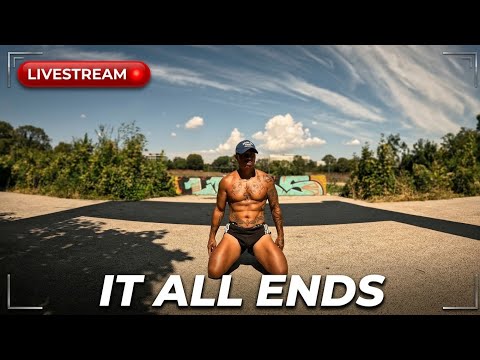
My Direct Take: Are YOU Overtraining? Here’s How to Fix It and Get REAL Gains! | Dotcombaron
Oct
I’m here to talk about something crucial that trips up countless dedicated folks in the gym: overtraining. We’re all driven, we love the grind, and we believe that more effort always equals more results, right? Well, I’m here to tell you that’s not always the case. In fact, pushing too hard without smart recovery can actually halt your progress, wear you down, and make you utterly miserable. I’ve seen it time and time again, and I’ve even been there myself. It’s a sneaky enemy, often disguised as dedication.
The Problem: Pushing Too Hard and Getting Nowhere
I get it. You’re passionate about your fitness journey. You want to see results, and you’ve been told to ‘hustle’ and ‘never quit.’ And while dedication is absolutely key, there’s a fine line between effective hard work and blindly pushing your body into a state of chronic stress. This is what I call overtraining, and it’s a massive roadblock to your success.
Many of us fall into this trap because we believe that the more sets, reps, or hours we put in, the better. We see influencers on social media training twice a day, every day, and we think that’s the benchmark. But here’s the cold, hard truth: your body doesn’t get stronger or fitter during your workout; it gets stronger while it recovers from your workout. If you’re constantly breaking your body down without giving it ample time and resources to rebuild, you’re not making progress – you’re digging yourself into a hole.
Are You Showing These Red Flags?
It’s easy to dismiss these signs, thinking you’re just ‘tired’ or ‘sore.’ But when these symptoms become chronic, it’s my signal to you that overtraining is likely at play. Don’t ignore these warnings; they’re your body’s way of screaming for a break. Here are the common red flags I look for:
- Your Performance Drops: This is a big one for me. Are you suddenly weaker? Struggling to lift weights you used to crush? Not hitting those personal bests anymore? That’s not just a bad day; it’s a sign.
- You’re Always Tired: I mean truly exhausted, even after what feels like a good night’s sleep. Energy levels are consistently low, and simple daily tasks feel like a marathon.
- Sleep Becomes a Nightmare: Ironically, despite being exhausted, you can’t fall asleep, stay asleep, or you wake up feeling utterly unrested. My body knows something is off when my sleep patterns get wonky.
- Your Mood is Shot: Are you snapping at loved ones? Feeling irritable, anxious, or just generally moody for no clear reason? Overtraining messes with your hormones and nervous system.
- Lost Your Drive: My libido often takes a hit when I’m overtraining. It’s another sign your body’s survival mechanisms are kicking in, prioritizing stress response over reproduction.
- Soreness That Never Ends: Muscle soreness is normal, but if you’re experiencing extreme, prolonged soreness that lasts for days on end and affects your next workout, that’s a problem.
- You Dread the Gym: That burning passion you once had for working out? It’s gone. Now, the thought of hitting the gym fills you with dread or apathy.
- You’re Always Sick: Constantly catching colds or feeling rundown? Overtraining suppresses your immune system, making you a prime target for every bug going around.
- Digestive Distress: My gut health is a great indicator. Upset stomach, changes in appetite, or general digestive issues can be linked to chronic stress from overtraining.
- Nagging Injuries: Little aches and pains turning into persistent issues, or an increase in minor pulls and strains. Your body isn’t repairing itself properly.
The Solution: Smart Training, Smarter Recovery, Real Gains
Alright, so you’ve recognized some of those signs, and you’re thinking, ‘What now?’ Don’t panic! The good news is that reversing overtraining is entirely possible, and it often leads to a massive leap in your progress and overall well-being. My approach is always direct and practical. Here’s how I advise you to fix it:
1. Hit the Brakes: De-load or Take a Full Break
This is often the hardest pill to swallow for driven individuals, but it’s the most effective first step. If you’re deep in the overtraining hole, you need to pull back significantly. I recommend one of two things:
- Full Break: Take 3-7 days completely off from structured exercise. Seriously, do nothing more strenuous than a leisurely walk. Let your body truly recover. This is my go-to when I feel really burned out.
- De-load Week: If a full break feels too extreme, implement a de-load week. Reduce your training volume (sets and reps) by 50-70% and lighten your weights significantly (50-60% of your usual working weight). Focus on perfect form and light movement.
Trust me on this: you won’t lose all your gains. In fact, you’ll often come back stronger, fresher, and more motivated.
2. Prioritize Recovery Like It’s Your Job
Recovery isn’t just ‘time off’; it’s an active process. If you want real gains, you need to treat recovery with the same intensity you treat your workouts. Here’s what I focus on:
- Sleep, Sleep, Sleep: I can’t stress this enough. Aim for 7-9 hours of quality sleep every single night. Make your bedroom a dark, cool, quiet sanctuary. This is where the magic of muscle repair and hormone regulation happens.
- Fuel Your Body Right: My nutrition becomes non-negotiable. Eat enough nutrient-dense food to support recovery and energy levels. Prioritize protein for muscle repair, healthy fats for hormone production, and complex carbs for sustained energy. Don’t restrict calories too much when you’re training hard.
- Manage Your Stress: Overtraining is a physical stressor, but life stress (work, relationships, finances) adds to that load. I make sure to incorporate stress-reducing activities like meditation, deep breathing, spending time in nature, or hobbies into my routine.
3. Train Smarter, Not Just Harder
Once you’ve reset, it’s time to rethink your training strategy. My philosophy is always about intelligent, sustainable progress.
- Listen to Your Body: This is paramount. Forget the rigid plan if your body is telling you to back off. Some days you’ll feel great and can push it; other days, you need to respect what your body’s communicating. I adjust my workouts based on how I feel that day.
- Focus on Progressive Overload (Intelligently): Gradually increasing the challenge (weight, reps, sets, time under tension) over time is how you build muscle and strength. But ‘gradually’ is the key word. Don’t chase personal bests every single session, especially if your body isn’t ready.
- Embrace Variety and Periodization: Don’t do the same routine year-round. Introduce different rep ranges, exercises, and types of training. Incorporate planned de-load weeks or lighter training blocks into your yearly schedule. This helps prevent plateaus and keeps your body guessing.
- Ditch the ‘Always Sore’ Mentality: Soreness isn’t the only indicator of an effective workout. Chasing extreme soreness usually means you’re doing too much too often. I aim for good performance and progress, not just pain.
- Check Your Ego at the Door: This is a tough one for many. I understand wanting to lift heavy or out-perform others. But true strength is knowing when to hold back, when to adjust, and when to prioritize your body’s long-term health over a temporary ego boost.
My Final Word: Train Smart, Live Strong
Look, I’m all about pushing your limits and striving for greatness. But real, sustainable progress in health and fitness comes from a balanced approach – a perfect marriage of challenge and recovery. If you’ve been grinding relentlessly and feeling worn out instead of empowered, it’s time to listen to my advice. Take a step back, implement these strategies, and watch your body and mind transform. You’ll not only break through plateaus but also enjoy your fitness journey a whole lot more. My goal for you is simple: train smart, live strong, and feel incredible every single day!
Related posts:
 Beyond the Beer Game: Mastering Mindful Choices for a Healthier You | Dotcombaron
 Master Your Mind, Master Your Life: My Blueprint for Daily Reset and Business Optimization | Dotcombaron
 Simplify Your Life: My 3 Core Rules for Success & Authentic Living | Dotcombaron
 Unlock Your Potential: My 3 Unstoppable Habits for Life-Changing Results | Dotcombaron
